
Silent Alerts Help NICU Babies Sleep and Clinicians Respond
In the NICU, sleep isn’t simply rest. It’s part of the treatment.
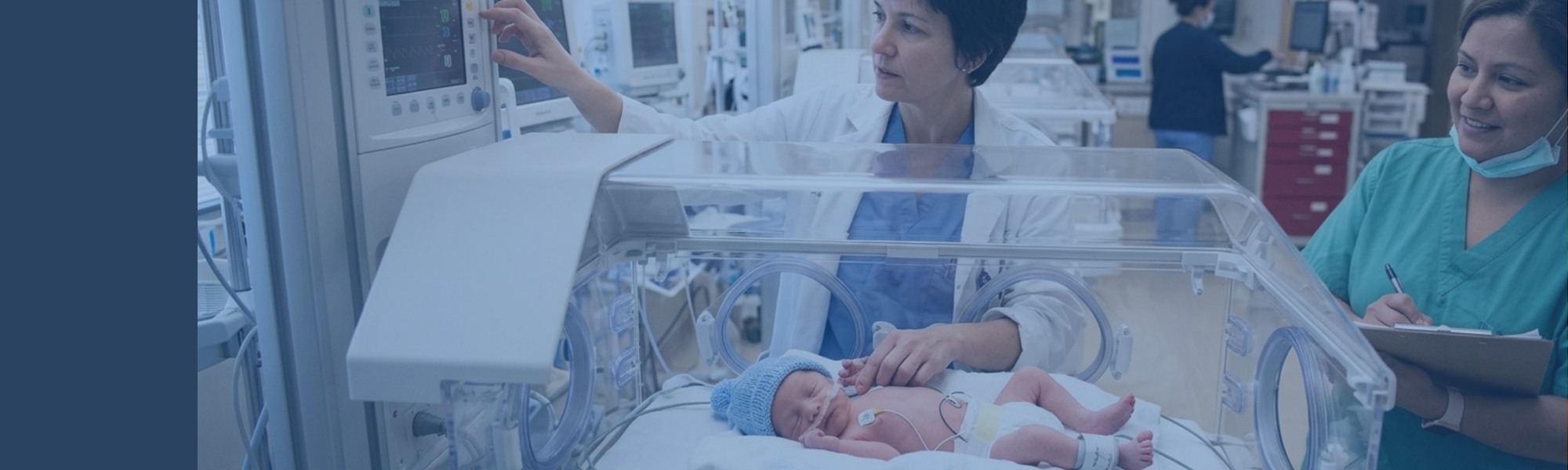
A premature infant finally settles into a deep sleep after hours of careful monitoring and clinical intervention. Then a mobile device emits an alert. The infant startles awake, interrupting a critical stage of recovery.
It’s an everyday moment that often goes unnoticed, yet illustrates a larger issue. Technology designed to support clinicians can unintentionally disrupt the very environment patients need most.
For healthcare leaders, this is more than an operational inconvenience. It’s a patient safety consideration that deserves the same level of attention as any other aspect of the care environment.

Sleep Is Essential to Neonatal Recovery
The NICU is one of the most carefully controlled environments in healthcare. Caregivers adjust lighting, minimize handling, and take every measure to reduce unnecessary stimulation because uninterrupted sleep supports neurological development, reduces physiological stress, and promotes healthier outcomes for premature and critically ill infants.
While hospitals have made tremendous progress in managing traditional sources of noise, mobile technology often receives less attention. Smartphones, tablets, and other clinical devices have become indispensable to patient care, but they also contribute to the unit’s soundscape.
When those devices aren’t configured to fit the needs of the NICU, even routine notifications can create avoidable disruptions.
The Problem Isn’t the Device. It’s the Configuration.
Clinical mobile devices are essential for communication, documentation, and rapid response. The challenge isn’t their presence. It’s how they’re deployed.
Too often, devices are rolled out with default settings or generic enterprise configurations that don’t reflect the needs of a specialized care environment. As a result, clinicians may encounter:
- Audible notifications that don’t need to be heard across the unit
- Screen brightness that disrupts low-light patient environments
- Inconsistent settings and application behavior from one device to the next
Individually, these may seem like small details. Across dozens of devices, they create an inconsistent environment in which technology competes with patient recovery rather than supporting it.
Why Traditional Approaches Miss the Mark
Many organizations have invested in reducing alarm fatigue by focusing on bedside equipment. While those efforts are important, they often overlook the mobile devices clinicians rely on throughout every shift.
At the same time, mobile technology decisions are frequently made without considering the realities of clinical workflow. Devices are deployed and distributed, and are expected to function without being intentionally designed to behave in a sensitive environment like the NICU.
Configuration becomes an afterthought rather than a clinical strategy.
Without standardized configuration management, variation inevitably appears. Devices behave differently, user experiences become inconsistent, and the carefully controlled environment begins to break down over time.
Better Technology Creates Better Care Environments
Every configuration decision influences the patient experience.
Thoughtfully configured mobile devices let clinicians access critical information without unnecessary disruption. Standardized settings create a consistent user experience across the care team, reduce environmental noise, and support more predictable workflows.
When configuration is treated as part of patient care rather than simply an IT task, technology becomes an asset to the clinical environment instead of a source of distraction.
Quiet care environments begin with an intentional technology strategy. Learn how SMG3Rx helps healthcare organizations design clinical mobility environments that support better neonatal outcomes. Visit SMG3Rx.com.

Achieve Enterprise Success with SMG3Rx EDGE
Schedule a Needs Assessment today to learn how SMG3Rx and our additional professional service offerings empower critical infrastructure businesses to boost operational mobility, efficiency, and visibility.