
One Hospital. Different Roles. Different Mobility Needs.
A health system rolls out new clinical smartphones. Every device carries the same applications and the same settings.
A bedside nurse picks one up on a medical-surgical unit. A pharmacist picks one up in the pharmacy. A care coordinator picks one up at a desk down the hall. Each of them does very different work. The system-wide standard is in place, but no one configured the devices for each department.
When technology does not fit how clinicians work, clinicians work around it.
Role-based clinical mobility closes that gap. It starts with a clinical mobility assessment that learns how each role works before anyone configures a device, and it looks ahead to where the organization is going.
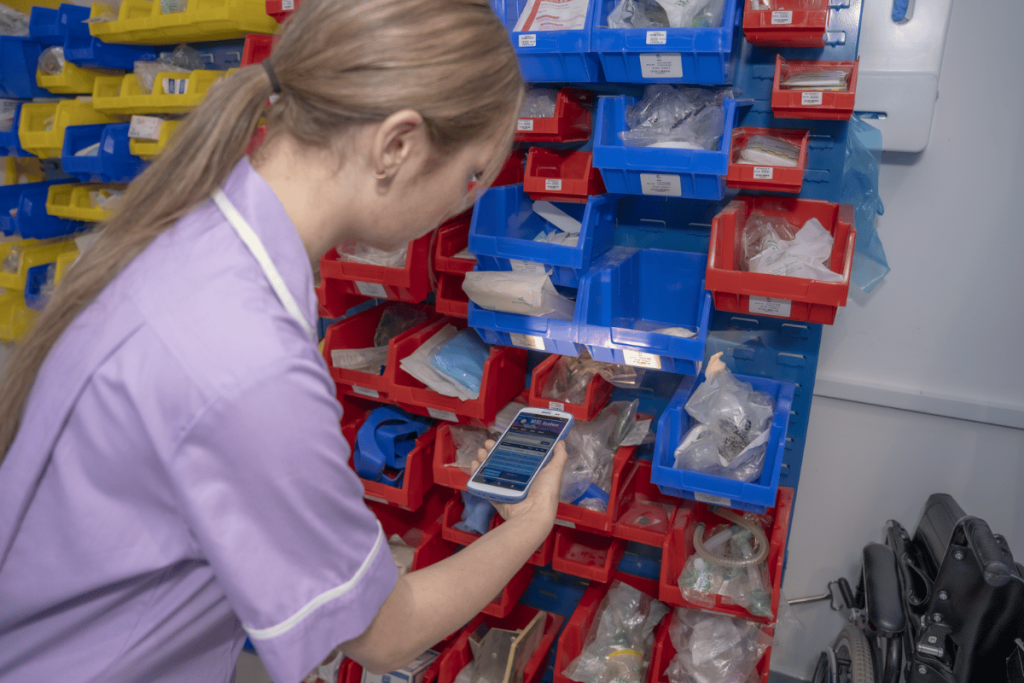
One Device Does Not Mean One Experience
Clinicians across a health system use technology differently. At one facility, SMG3Rx found that pharmacy staff, bedside nurses, and care coordinators interact with devices in fundamentally different ways.
A health system can standardize on one device and still configure it by role. Discovery identifies those differences before configuration begins, while they are still design inputs instead of problems clinicians discover on shift.
Design Clinical Device Configuration Around the Role
At that facility, the role requirements were specific:
➡️ Bedside nurses need immediate access to patient data and secure messaging.
➡️ Pharmacists need barcode verification and medication documentation.
➡️ Care coordinators need cross-departmental communication and scheduling tools.
Three roles. Three distinct configurations. One discovery phase.
Every configuration lives in the same clinical environment. Each one reflects the work in front of that clinician. Role-based design built on discovery supports adoption, reduces training time, and limits the workarounds clinicians create when a device doesn’t fit their role.
Today’s roles are only part of the picture, though.
Look Beyond the Current Deployment
Health systems add service lines, acquire facilities, and change how they deliver care. Each change creates new roles, workflows, and device requirements.
Discovery captures those plans early. During one Clinical Mobility Evaluation, a health system shared plans to expand into two new service lines and acquire a regional hospital over the next three years. SMG3Rx builds those plans directly into the clinical mobility roadmap, so the device environment supports that growth without a costly rebuild.
Build the Roadmap Before You Need It
A strong healthcare mobility strategy draws on two perspectives at once.
Current workflows establish what the environment needs now: which roles use devices, how they communicate, and which applications and integrations they depend on. Organizational plans help establish what the environment may need next: new service lines, new facilities, and new ways of delivering care.
Discovery connects both. The result is a clinical mobility roadmap grounded in the organization’s actual environment and its stated plans. Device and configuration decisions made today can account for where the health system is headed, instead of revisiting them each time it grows.
Design for the Organization You Are Building
Clinical mobility should fit the organization you have today without limiting the organization you are building for tomorrow.
SMG3Rx begins every engagement with a Clinical Mobility Evaluation. Before configuring a single device, the SMG3Rx team learns how care flows, which applications need to connect, which roles need what, and where the organization is headed. Those findings shape a clinical mobile environment built for that facility and designed to scale with it.
Contact SMG3Rx to schedule a Clinical Mobility Evaluation and build a role-based clinical mobility roadmap for your health system.

Achieve Enterprise Success with SMG3Rx EDGE
Schedule a Needs Assessment today to learn how SMG3Rx and our additional professional service offerings empower critical infrastructure businesses to boost operational mobility, efficiency, and visibility.