
Healthcare Acquisitions Need a Clinical Mobility Strategy
Closing the deal is only the beginning.
The real test starts months later, when newly acquired facilities must operate as one health system instead of two separate organizations. Clinical devices continue to receive updates, hardware reaches the end of its lifecycle, and new clinicians join the organization.
Hospital acquisitions create ongoing operational responsibilities that require consistent management across the enterprise. Without a long-term strategy, even a successful integration begins to drift.
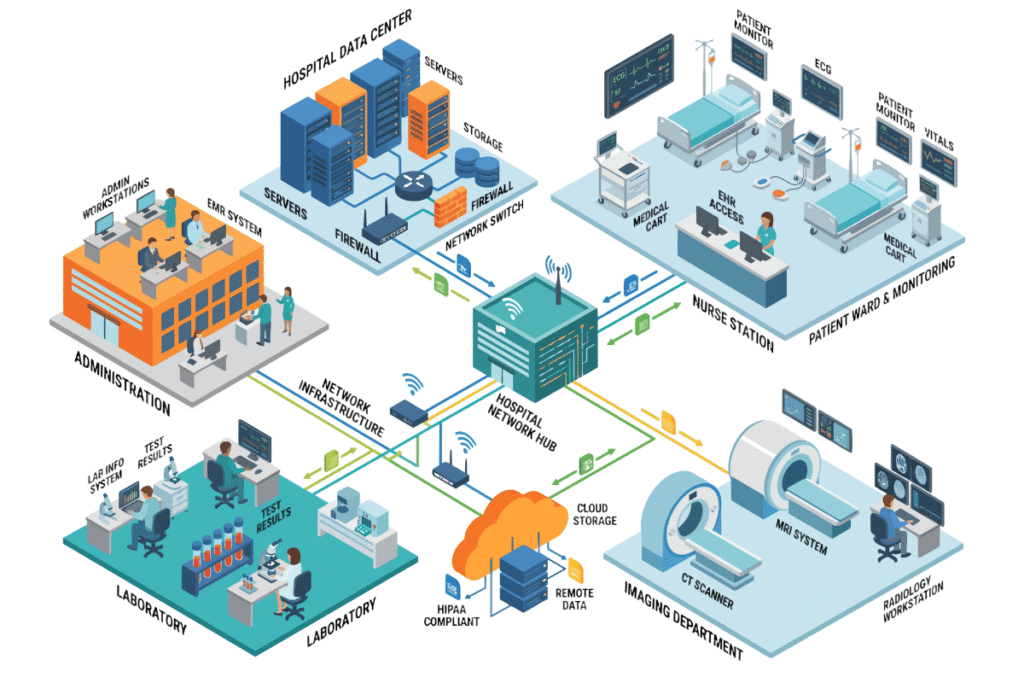
“Go-Live” Isn’t the Finish Line
Most organizations begin with the right priorities. Devices are inventoried. Configurations are standardized. Clinicians are trained. Systems are connected.
Then daily operations take over. Updates happen on different schedules. Hardware is replaced at different times. Local support teams solve problems in different ways. Slowly, the environment begins to fragment again.
The result isn’t just more work for IT. It creates inconsistency that complicates clinicians’ day-to-day and can end up affecting patient care.
Small Differences Create Big Operational Problems
Clinical mobility environments rarely fall apart because of one major decision. Instead, they can erode through hundreds of small ones.
A delayed operating system update. A different login workflow. A device that’s configured one way at one facility and another way somewhere else. Over time, those differences create workflow friction across the organization.
???? Clinicians spend more time adapting to technology instead of caring for patients.
???? IT teams must support fragmented workflows, rather than a department- or system-wide standard.
???? Leadership loses the consistency needed to scale future acquisitions efficiently.
Each issue may seem manageable on its own. Together, they become a system-wide, operational challenge.
Clinical Mobile Management Keeps the Organization Moving Together
Successful health systems don’t standardize devices once and hope they stay that way. They build an operational process that keeps every device aligned over time. A strong clinical mobile management strategy helps organizations:
???? Maintain consistent device configurations across every facility.
???? Deploy operating system updates, security patches, and application versions consistently.
???? Enforce standardized policies that reduce variation as the organization grows.
???? Give clinicians a reliable, consistent technology experience wherever they deliver care.
Instead of reacting to problems after they appear, leadership creates an operational framework that prevents device environments from drifting apart.
That consistency reduces complexity for IT while giving clinicians reliable tools that support efficient workflows.
Build an Operating Model That Scales
Every acquisition adds complexity.
Organizations that rely on manual processes often find themselves rebuilding the same integration plan with every new facility. Organizations with a clinical mobility strategy build a repeatable framework instead. That framework includes:
✔️ Centralized visibility across the device environment.
✔️ Standardized configurations that support consistent workflows.
✔️ Coordinated lifecycle management and refresh planning.
✔️ Ongoing operational support that keeps environments aligned over time.
Instead of reacting to inherited technology, health systems create a process that scales with growth.
Long-Term Success Requires More Than Integration
An acquisition’s success isn’t measured at device activation. It’s measured by whether every facility still holds the same standards months and years later.
A strategically designed clinical mobility platform makes that possible. It provides the structure to manage devices throughout their lifecycle, support clinicians with consistently performing technology, and reduce the operational burden that often follows rapid growth.
Healthcare organizations planning future acquisitions should look beyond the integration timeline and build a strategy designed to support their next acquisition, and the one after that.
Whether you’re preparing for an acquisition or managing newly acquired facilities, SMG3Rx can help you build a scalable clinical mobility strategy that supports long-term operational performance, workflow consistency, and sustainable growth.
Achieve Enterprise Success with SMG3Rx EDGE
Schedule a Needs Assessment today to learn how SMG3Rx and our additional professional service offerings empower critical infrastructure businesses to boost operational mobility, efficiency, and visibility.